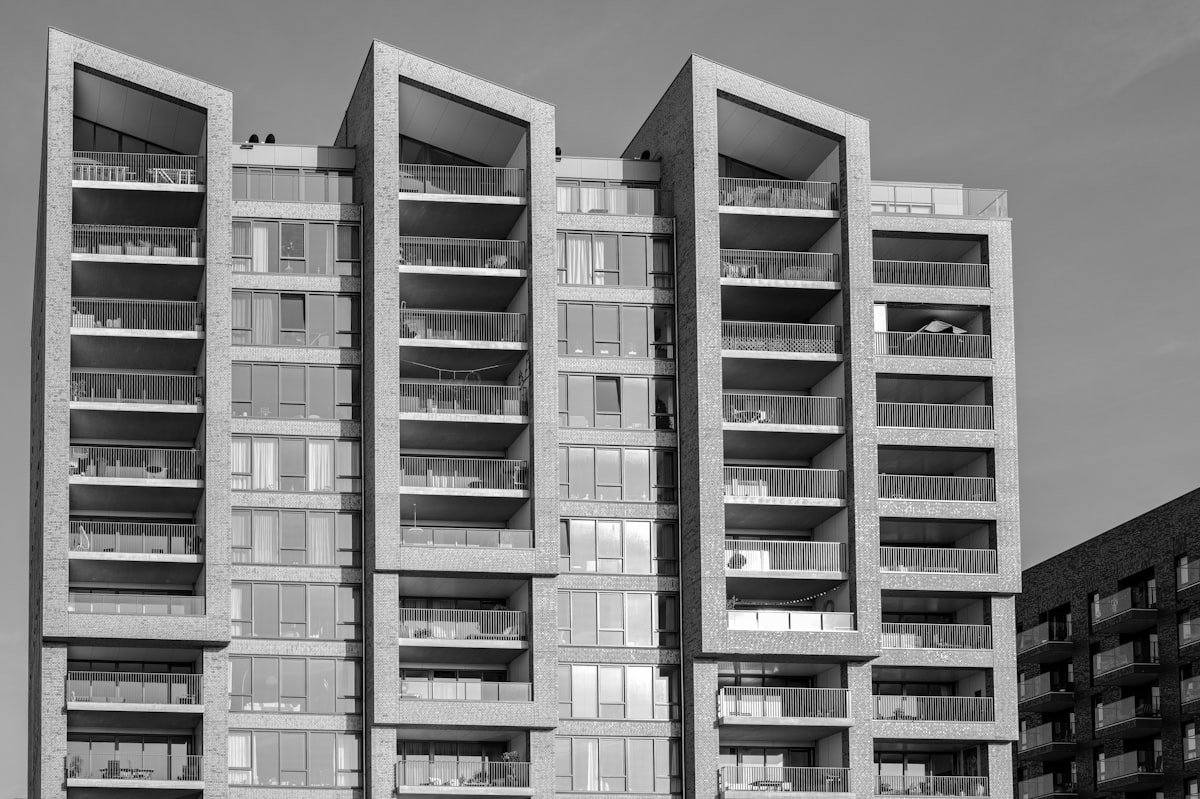
Why Co-Living Spaces Are the Future of Urban Real Estate
Co-living spaces are revolutionizing urban real estate by offering affordable, community-focused living options. Discover how this trend is reshaping city life and what it means for the future of housing in urban areas.
Emily Robinson
Vanhub Verified Author

Why Co-Living Spaces Are the Future of Urban Real Estate
Urban living has undergone a radical transformation in recent years, with rising costs and changing lifestyles making traditional housing options less tenable for many city dwellers. Enter co-living spaces—an innovative solution that not only addresses affordability but also fosters a sense of community. In this article, we explore why co-living spaces represent the future of urban real estate.
The Rise of Co-Living Spaces
What is Co-Living?
Co-living is an emerging trend in urban housing where residents share living spaces and amenities while maintaining their own private rooms. This model emphasizes community, collaboration, and shared experiences. Co-living spaces often come fully furnished and include utilities and internet, creating a hassle-free living environment.
The Growth of Co-Living
The popularity of co-living has surged in recent years, driven by factors such as:
- Rising housing costs: With skyrocketing rents in major urban centers, co-living offers a more affordable alternative.
- Changing demographics: Young professionals, digital nomads, and even families are drawn to co-living for its flexibility and community-focused lifestyle.
- Urbanization: As more people flock to cities, the demand for housing solutions that maximize space and foster social interaction continues to grow.
Advantages of Co-Living Spaces
1. Affordability
One of the most compelling reasons people choose co-living is affordability. Residents can save on rent and utilities, making it easier to live in prime urban locations. This model typically allows individuals to pay significantly less than they would for a traditional apartment.
2. Community and Networking
Co-living spaces are designed to encourage social interaction and networking. Many co-living facilities host events, workshops, and social gatherings that help residents connect and build relationships. This sense of community can be especially beneficial for newcomers to a city who may be looking to establish a social circle.
3. Flexibility
Unlike traditional leases, co-living arrangements often come with flexible terms, allowing residents to rent for short or long durations. This flexibility is ideal for those who may be in a city for a temporary job or are uncertain about their long-term plans.
4. Shared Amenities
Most co-living spaces provide shared amenities such as fully equipped kitchens, coworking spaces, gyms, and social lounges. This not only enhances the living experience but also reduces the need for residents to invest in personal items, making the move-in process easier and more cost-effective.
5. Sustainability
Many co-living spaces promote sustainable living by encouraging shared resources and reducing the carbon footprint associated with individual housing. With shared appliances and communal areas, co-living contributes to a more environmentally friendly lifestyle.
The Future of Urban Real Estate
Impact on Urban Development
The rise of co-living is influencing urban development in various ways:
- Adaptive Reuse: Many developers are converting unused commercial spaces into co-living facilities, revitalizing neighborhoods and providing much-needed housing.
- Zoning Changes: Cities are beginning to adjust zoning laws to accommodate co-living developments, recognizing their potential to address housing shortages.
- Focus on Community: Urban planners are increasingly considering community-oriented designs in new developments, inspired by the co-living model.
Challenges Ahead
Despite the exciting prospects, co-living is not without its challenges:
- Regulatory Hurdles: Some cities may have zoning regulations that limit the establishment of co-living spaces.
- Market Saturation: As more co-living spaces enter the market, there might be concerns about oversaturation, leading to competition and potential price drops.
- Quality Control: Not all co-living spaces are created equal; ensuring quality and maintaining standards across different facilities can be a challenge for operators.
Conclusion
Co-living spaces are more than just a trend; they represent a fundamental shift in how people view urban living. By providing affordable housing options, fostering community, and promoting sustainability, co-living is poised to shape the future of urban real estate. Whether you're a young professional, a digital nomad, or someone simply seeking a sense of belonging in the city, co-living spaces offer a unique solution that meets the demands of modern urban life.
As cities continue to evolve, embracing innovative housing options like co-living will be crucial in addressing the challenges of affordability, community, and sustainability. The future of urban real estate is here, and it’s communal.