Six Real Estate Trends to Watch in the U.S. by 2026
As we approach 2026, the U.S. real estate market is poised for significant transformations. Discover six key trends highlighted by Cushman & Wakefield that will shape the future of real estate in America.
Emily Carter
Vanhub Verified Author
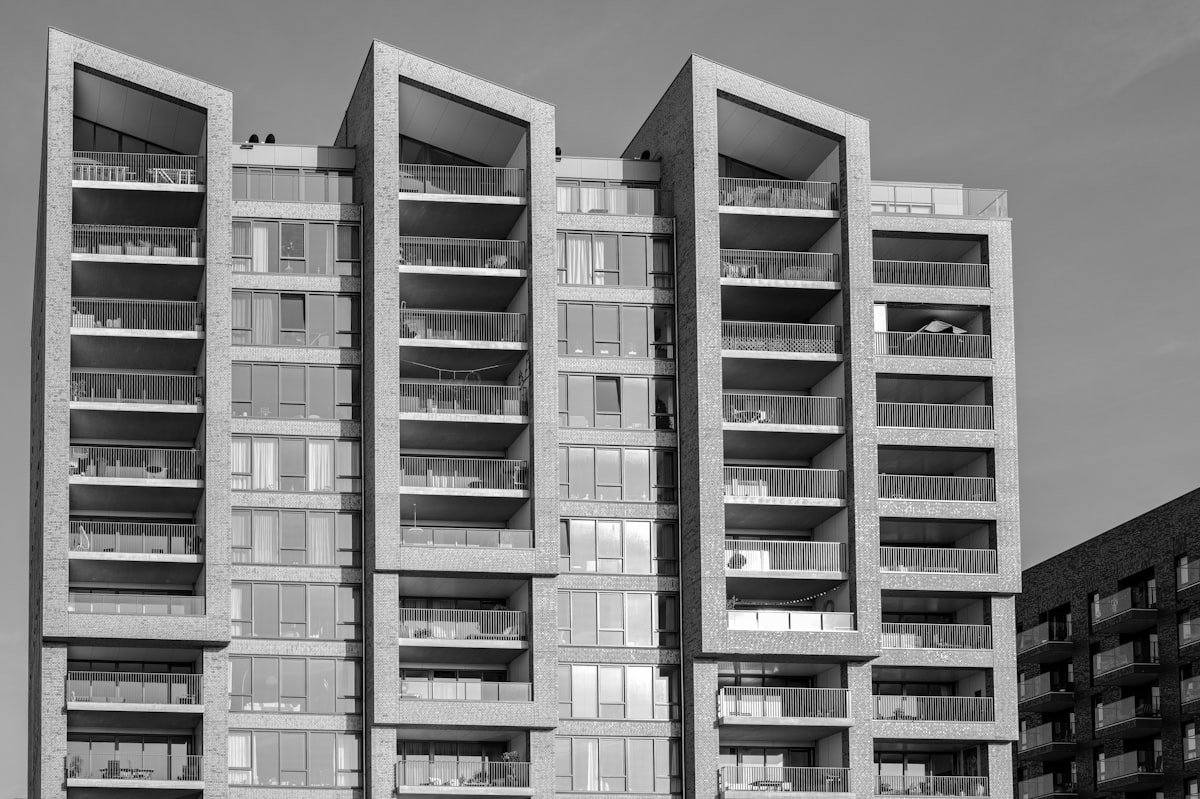
Six Real Estate Trends to Watch in the U.S. by 2026
As the world continues to evolve and adapt to changes in technology, demographics, and economic conditions, the U.S. real estate market is no exception. According to insights from Cushman & Wakefield, a global leader in commercial real estate services, several trends are expected to shape the landscape of the U.S. real estate market by 2026.
In this article, we will delve into six pivotal trends that real estate investors, developers, and buyers should keep an eye on as we approach this transformative year.
1. Increased Focus on Sustainability
Sustainability has moved from a niche interest to a mainstream necessity in real estate. By 2026, properties that prioritize energy efficiency and eco-friendly practices will not only attract tenants but also command higher rental rates and resale values. Key aspects include:
- Green Certifications: Buildings with certifications such as LEED or Energy Star will be more desirable.
- Renewable Energy: Incorporation of solar panels and wind energy will become standard in new developments.
- Sustainable Materials: The use of recycled and sustainable materials will gain traction, reducing the carbon footprint of construction.
2. The Rise of Hybrid Workspaces
The COVID-19 pandemic has irrevocably changed how we work, leading to the rise of hybrid work models. This trend is expected to continue, influencing office space demand:
- Flexible Office Designs: Companies will seek adaptable spaces that can accommodate both in-office and remote employees.
- Co-working Spaces: These will become more prevalent as businesses look for cost-effective solutions that allow for increased collaboration without the overhead of traditional leases.
3. Urban to Suburban Migration
The pandemic has triggered a significant shift of residents from urban centers to suburban areas. As remote work becomes more common, many are prioritizing space and affordability:
- Suburban Growth: Expect a surge in demand for single-family homes in suburban areas that offer ample green space and a sense of community.
- Urban Revitalization: Cities will continue to adapt, focusing on improving public transportation and infrastructure to retain residents.
4. Technological Integration
Technology is revolutionizing the real estate industry, making it imperative for stakeholders to adapt:
- PropTech Solutions: Innovations like virtual reality tours and automated property management systems will streamline operations and enhance customer experiences.
- Smart Buildings: The integration of IoT devices will make buildings more efficient and responsive to tenant needs.
5. Affordable Housing Initiatives
With the rising cost of living, the demand for affordable housing is more pressing than ever. By 2026, expect:
- Government Incentives: Local and federal governments will likely introduce policies to encourage the development of affordable housing units.
- Public-Private Partnerships: Collaborations between public entities and private developers will become essential for addressing the affordable housing crisis.
6. Health and Wellness-Centric Developments
Health and wellness are becoming central to real estate design and development:
- Wellness Features: Properties will increasingly include features such as fitness centers, green spaces, and improved air quality systems.
- Community Wellness: Developments will focus on creating environments that promote physical and mental well-being, appealing especially to younger generations.
Conclusion
As we look toward 2026, the U.S. real estate market is set for a transformation driven by sustainability, technology, and changing demographics. By staying informed about these six trends identified by Cushman & Wakefield, investors, developers, and homebuyers can position themselves for success in a rapidly evolving landscape.
Understanding and adapting to these shifts will be crucial for anyone involved in the real estate sector. Whether you're considering an investment, a new development, or simply looking for your next home, keeping these trends in mind will help you navigate the future of real estate more effectively.
By recognizing these trends, you can make informed decisions that align with the evolving market dynamics. The future of real estate is not just about buildings; it's about creating spaces that meet the needs of tomorrow's society.